Buy inie.eu ?
We are moving the project
inie.eu .
Are you interested in purchasing the domain
inie.eu ?
domain@kv-gmbh.de · 0541-91531010
Buy inie.eu ?
How does emotional intelligence relate to intelligence?
Emotional intelligence is the ability to understand and manage one's own emotions, as well as understand and influence the emotions of others. It is often considered a separate form of intelligence from traditional cognitive intelligence, such as problem-solving and logical reasoning. However, emotional intelligence can complement and enhance cognitive intelligence by helping individuals navigate social interactions, manage stress, and make better decisions. In this way, emotional intelligence is a valuable aspect of overall intelligence that can contribute to success in both personal and professional settings. **
What is more important: Intelligence or emotional intelligence?
Both intelligence and emotional intelligence are important in their own ways. Intelligence helps in problem-solving, critical thinking, and decision-making, while emotional intelligence helps in understanding and managing emotions, building relationships, and empathizing with others. Both types of intelligence are valuable and can complement each other to lead to overall success and well-being. Ultimately, a balance of both types of intelligence is ideal for navigating various aspects of life effectively. **

Similar search terms for Emotional-intelligence
Top-Angebote
Products related to Emotional-intelligence:
-
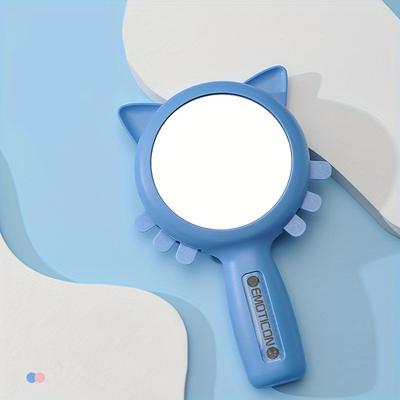
Perfect Picks Market Kids Emotional Expression Mirror Early Education & Emotional Learning Toy For Toddlers blueNurture your childs emotional intelligence with the Kids Emotional Expression Mirrora fun, interactive learning tool designed to help toddlers understand and manage their feelings. This innovative toy features six emotional expression cards and a...49,97 $*Shipping: 0,00 $Secure redirect to the provider
-
Uplifted Finds Triple Tier Intelligence Play Tower orangeEngage your cat's mind and body with this TripleTier Intelligence Play Tower. This classic interactive toy is designed with three stacked levels, each featuring a captured ball that skitters along a circular track. This multilevel architecture...54,97 $*Shipping: 0,00 $Secure redirect to the provider
-
Penguin Alain de Botton Collection 2 Books Set (A Therapeutic Journey and The School of Life An Emotional Education)Alain de Botton Collection 2 Books Set (A Therapeutic Journey & The School of Life An Emotional Education): A Therapeutic Journey: This is a book about how to optimise your mental health. Written with kindness and sympathy, it is a practical guide to emotional well-being, calm and psychological maturity. Alain de Botton explores how we can cope with a variety of mental challenges, from the mild to the severe. It considers how and why we can get overly anxious or low; how we can best understand our pasts and how they shape us; and how we can build resilience, so as to live wisely alongside certain difficulties.At heart this is a book about psychological happiness – about discovering equilibrium and meaning, and finding our way to connection and joy. The School of Life: An Emotional Education: This is a book about everything you were never taught at school. It's about how to understand your emotions, find and sustain love, succeed in your career, fail well and overcome shame and guilt. It's also about letting go of the myth of a perfect life in order to achieve genuine emotional maturity. Written in a hugely accessible, warm and humane style, The School of Life is the ultimate guide to the emotionally fulfilled lives we all long for - and deserve.This book brings together ten years of essential and transformative research on emotional intelligence, with practical topics including: - how to understand yourself- how to master the dilemmas of relationships- how to become more effective at work- how to endure failure- how to grow more serene and resilient.15,99 £*Shipping: 2,99 £Secure redirect to the provider
-
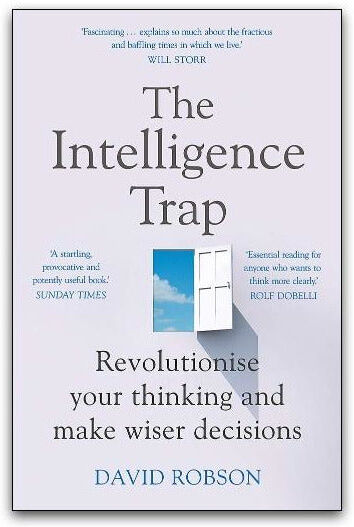
HODDER PUBLISHING David Robson, The Intelligence Trap, Psychology BooksDavid Robson, The Intelligence Trap, Psychology Books How was a brilliant physics professor tricked into carrying 2kg of cocaine across the Argentinian border? Why do doctors misdiagnose 10 to 15% of their patients? Why do Nobel Prize winners spread fake news? We assume that smarter people are less prone to error. But greater education and expertise can often amplify our mistakes while rendering us blind to our biases. This is the 'intelligence trap'. Drawing on the latest behavioural science and historical examples from Socrates to Benjamin Franklin, David Robson demonstrates how to apply our intelligence more wisely; identify bias and enhance our 'rationality quotient'; read and regulate our emotions; fine-tune our intuition; navigate ambiguity and uncertainty; and think more flexibly about seemingly intractable problems. The twenty-first century presents us with complex problems that demand a wiser way of thinking. Whether you are a NASA scientist or a school student, The Intelligence Trap offers a new cognitive toolkit to realise your full potential.1,99 £*Shipping: 1,99 £Secure redirect to the provider


-
What is the significance of emotional intelligence in education?
Emotional intelligence is significant in education because it helps students understand and manage their emotions, build positive relationships, and make responsible decisions. It also enables educators to create a supportive and inclusive learning environment, where students feel safe to express themselves and learn effectively. By developing emotional intelligence, students are better equipped to navigate social interactions, cope with stress, and develop empathy, which are essential skills for success in both academic and personal life. Overall, emotional intelligence plays a crucial role in fostering a positive and healthy learning environment, and in preparing students for their future endeavors. **
-
How can emotional intelligence be integrated into the education system?
Emotional intelligence can be integrated into the education system by incorporating social-emotional learning (SEL) programs into the curriculum. These programs can teach students about self-awareness, self-regulation, empathy, and interpersonal skills. Additionally, educators can model and promote emotional intelligence in the classroom by creating a supportive and inclusive environment, and by providing opportunities for students to practice and develop their emotional intelligence skills. Furthermore, teacher training and professional development can also focus on enhancing educators' own emotional intelligence, so they can effectively support their students in developing these skills. **
-
What does low emotional intelligence mean?
Low emotional intelligence refers to a lack of awareness and understanding of one's own emotions and the emotions of others. People with low emotional intelligence may struggle to regulate their emotions, empathize with others, and effectively communicate and manage interpersonal relationships. This can lead to difficulties in navigating social situations, resolving conflicts, and understanding the impact of their behavior on others. Overall, low emotional intelligence can hinder one's ability to effectively navigate the complexities of human emotions and relationships. **
-
How can emotional intelligence be tested?
Emotional intelligence can be tested through various methods, such as self-report questionnaires, behavioral assessments, and performance-based measures. Self-report questionnaires typically ask individuals to rate their own emotional abilities and responses to different situations. Behavioral assessments involve observing an individual's reactions and behaviors in various scenarios to assess their emotional intelligence. Performance-based measures may include tasks that require individuals to interpret emotions in others, manage their own emotions, and navigate social interactions effectively. Overall, a combination of these methods can provide a comprehensive evaluation of an individual's emotional intelligence. **

What is more important to you: intelligence or emotional intelligence?
As an AI, I don't have personal preferences, but I can provide an analysis. Both intelligence and emotional intelligence are important in different aspects of life. Intelligence can help in problem-solving and critical thinking, while emotional intelligence is crucial for understanding and managing emotions, building strong relationships, and navigating social situations. Ultimately, a balance of both types of intelligence is important for overall success and well-being. **
How are points awarded for emotional intelligence?
Points for emotional intelligence are typically awarded based on a person's ability to recognize, understand, and manage their own emotions, as well as their ability to empathize with others and navigate social interactions effectively. Points may be given for demonstrating self-awareness, self-regulation, motivation, empathy, and social skills. Individuals who exhibit high emotional intelligence by effectively managing their emotions and relationships may receive higher scores in this area. Ultimately, points for emotional intelligence are awarded based on a person's ability to demonstrate emotional awareness and effectively handle interpersonal situations. **
Top-Angebote
Products related to Emotional-intelligence:
-
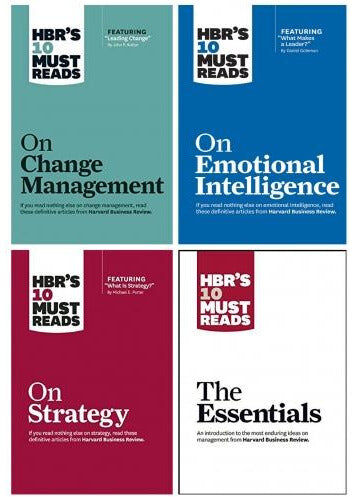
Harvard Business Review Press Hbrs 10 Must Reads Leadership Collection 4 Books Set - The Essentials Emotional Intelligence Strat..HBRs 10 Must Reads Leadership Collection 4 Books Set Description Change Management If you read nothing else on change management; read these 10 articles (featuring 'Leading Change; by John P. Kotter). We have combed through hundreds of Harvard Business Review articles and selected the most important ones to help you spearhead change in your organization. HBRs 10 Must Reads on Change Management will inspire you to: Lead change through eight critical stages Establish a sense of urgency Overcome addiction to the status quo Mobilize commitment Silence naysayers Minimize the pain of change Concentrate resources Motivate change when business is good Strategy If you read nothing else on strategy; read these 10 articles (featuring 'What Is Strategy? by Michael E. Porter). We have combed through hundreds of Harvard Business Review articles and selected the most important ones to help you catalyze your organization's strategy development and execution. HBRs 10 Must Reads on Strategy will inspire you to: Distinguish your company from rivals Clarify what your company will and won't do Craft a vision for an uncertain future Create blue oceans of uncontested market space Use the Balanced Scorecard to measure your strategy Capture your strategy in a memorable phrase Make priorities explicit Allocate resources early Clarify decision rights for faster decision making The Essentials Change is the one constant in business; and we must adapt or face obsolescence. Yet certain challenges never go away. Thats what makes this book 'must read.' These are the 10 seminal articles by managements most influential experts; on topics of perennial concern to ambitious managers and leaders hungry for inspiration--and ready to run with big ideas to accelerate their own and their companies success. If you read nothing else - full stop - read: Michael Porter on creating competitive advantage and distinguishing your company from rivals John Kotter on leading change through eight critical stages Daniel Goleman on using emotional intelligence to maximize performance Peter Drucker on managing your career by evaluating your own strengths and weaknesses Clay Christensen on orchestrating innovation within established organizations Tom Davenport on using analytics to determine how to keep your customers loyal Robert Kaplan and David Norton on measuring your company's strategy with the Balanced Scorecard Rosabeth Moss Kanter on avoiding common mistakes when pushing innovation forward Ted Levitt on understanding who your customers are and what they really want C. K. Prahalad and Gary Hamel on identifying the unique; integrated systems that support your strategy Emotional Intelligence If you read nothing else on emotional intelligence; read these 10 articles by experts in the field. We have combed through hundreds of articles in the Harvard Business Review archive and selected the most important ones to help you boost your emotional skills and your professional success. This book will inspire...34,95 £*Shipping: 2,99 £Secure redirect to the provider
-
Perfect Picks Market Geometric Building Blocks Set For Kids Early Education Intelligence Development Toy Geometric Building Blocks Set For Kids Early Education Intelligence Development ToyUnlock your child's potential with this early education equipment designed to stimulate creativity and intelligence! This geometric set is the perfect building block toy for boys, helping to develop problemsolving skills while having fun. The...35,97 $*Shipping: 0,00 $Secure redirect to the provider
-
Perfect Picks Market Kids Emotional Expression Mirror Early Education & Emotional Learning Toy For Toddlers blueNurture your childs emotional intelligence with the Kids Emotional Expression Mirrora fun, interactive learning tool designed to help toddlers understand and manage their feelings. This innovative toy features six emotional expression cards and a...49,97 $*Shipping: 0,00 $Secure redirect to the provider
-
Uplifted Finds Triple Tier Intelligence Play Tower orangeEngage your cat's mind and body with this TripleTier Intelligence Play Tower. This classic interactive toy is designed with three stacked levels, each featuring a captured ball that skitters along a circular track. This multilevel architecture...54,97 $*Shipping: 0,00 $Secure redirect to the provider
-
How does emotional intelligence relate to intelligence?
Emotional intelligence is the ability to understand and manage one's own emotions, as well as understand and influence the emotions of others. It is often considered a separate form of intelligence from traditional cognitive intelligence, such as problem-solving and logical reasoning. However, emotional intelligence can complement and enhance cognitive intelligence by helping individuals navigate social interactions, manage stress, and make better decisions. In this way, emotional intelligence is a valuable aspect of overall intelligence that can contribute to success in both personal and professional settings. **
-
What is more important: Intelligence or emotional intelligence?
Both intelligence and emotional intelligence are important in their own ways. Intelligence helps in problem-solving, critical thinking, and decision-making, while emotional intelligence helps in understanding and managing emotions, building relationships, and empathizing with others. Both types of intelligence are valuable and can complement each other to lead to overall success and well-being. Ultimately, a balance of both types of intelligence is ideal for navigating various aspects of life effectively. **
-
What is the significance of emotional intelligence in education?
Emotional intelligence is significant in education because it helps students understand and manage their emotions, build positive relationships, and make responsible decisions. It also enables educators to create a supportive and inclusive learning environment, where students feel safe to express themselves and learn effectively. By developing emotional intelligence, students are better equipped to navigate social interactions, cope with stress, and develop empathy, which are essential skills for success in both academic and personal life. Overall, emotional intelligence plays a crucial role in fostering a positive and healthy learning environment, and in preparing students for their future endeavors. **
-
How can emotional intelligence be integrated into the education system?
Emotional intelligence can be integrated into the education system by incorporating social-emotional learning (SEL) programs into the curriculum. These programs can teach students about self-awareness, self-regulation, empathy, and interpersonal skills. Additionally, educators can model and promote emotional intelligence in the classroom by creating a supportive and inclusive environment, and by providing opportunities for students to practice and develop their emotional intelligence skills. Furthermore, teacher training and professional development can also focus on enhancing educators' own emotional intelligence, so they can effectively support their students in developing these skills. **
Similar search terms for Emotional-intelligence
-
Penguin Alain de Botton Collection 2 Books Set (A Therapeutic Journey and The School of Life An Emotional Education)Alain de Botton Collection 2 Books Set (A Therapeutic Journey & The School of Life An Emotional Education): A Therapeutic Journey: This is a book about how to optimise your mental health. Written with kindness and sympathy, it is a practical guide to emotional well-being, calm and psychological maturity. Alain de Botton explores how we can cope with a variety of mental challenges, from the mild to the severe. It considers how and why we can get overly anxious or low; how we can best understand our pasts and how they shape us; and how we can build resilience, so as to live wisely alongside certain difficulties.At heart this is a book about psychological happiness – about discovering equilibrium and meaning, and finding our way to connection and joy. The School of Life: An Emotional Education: This is a book about everything you were never taught at school. It's about how to understand your emotions, find and sustain love, succeed in your career, fail well and overcome shame and guilt. It's also about letting go of the myth of a perfect life in order to achieve genuine emotional maturity. Written in a hugely accessible, warm and humane style, The School of Life is the ultimate guide to the emotionally fulfilled lives we all long for - and deserve.This book brings together ten years of essential and transformative research on emotional intelligence, with practical topics including: - how to understand yourself- how to master the dilemmas of relationships- how to become more effective at work- how to endure failure- how to grow more serene and resilient.15,99 £*Shipping: 2,99 £Secure redirect to the provider
-
HODDER PUBLISHING David Robson, The Intelligence Trap, Psychology BooksDavid Robson, The Intelligence Trap, Psychology Books How was a brilliant physics professor tricked into carrying 2kg of cocaine across the Argentinian border? Why do doctors misdiagnose 10 to 15% of their patients? Why do Nobel Prize winners spread fake news? We assume that smarter people are less prone to error. But greater education and expertise can often amplify our mistakes while rendering us blind to our biases. This is the 'intelligence trap'. Drawing on the latest behavioural science and historical examples from Socrates to Benjamin Franklin, David Robson demonstrates how to apply our intelligence more wisely; identify bias and enhance our 'rationality quotient'; read and regulate our emotions; fine-tune our intuition; navigate ambiguity and uncertainty; and think more flexibly about seemingly intractable problems. The twenty-first century presents us with complex problems that demand a wiser way of thinking. Whether you are a NASA scientist or a school student, The Intelligence Trap offers a new cognitive toolkit to realise your full potential.1,99 £*Shipping: 1,99 £Secure redirect to the provider
-
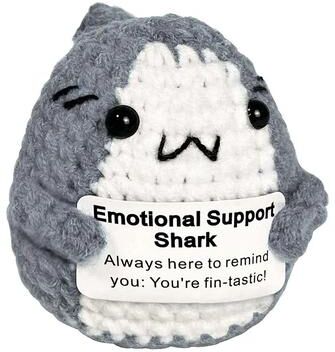
Inspired Finds Emotional Support Crochet Plush Mini Handmade Desk Decor Cute Gift Ornament emotional Support SharkBring a little comfort and joy into everyday life with this adorable emotional support crochet plush designed to brighten your mood instantly. Handmade with soft yarn and charming details, this mini crochet plush toy is perfect for desks, shelves,...39,99 $*Shipping: 0,00 $Secure redirect to the provider
-
Perfect Picks Market Kids Emotional Expression Mirror Early Education & Emotional Learning Toy For Toddlers pinkNurture your childs emotional intelligence with the Kids Emotional Expression Mirrora fun, interactive learning tool designed to help toddlers understand and manage their feelings. This innovative toy features six emotional expression cards and a...49,97 $*Shipping: 0,00 $Secure redirect to the provider
-
What does low emotional intelligence mean?
Low emotional intelligence refers to a lack of awareness and understanding of one's own emotions and the emotions of others. People with low emotional intelligence may struggle to regulate their emotions, empathize with others, and effectively communicate and manage interpersonal relationships. This can lead to difficulties in navigating social situations, resolving conflicts, and understanding the impact of their behavior on others. Overall, low emotional intelligence can hinder one's ability to effectively navigate the complexities of human emotions and relationships. **
-
How can emotional intelligence be tested?
Emotional intelligence can be tested through various methods, such as self-report questionnaires, behavioral assessments, and performance-based measures. Self-report questionnaires typically ask individuals to rate their own emotional abilities and responses to different situations. Behavioral assessments involve observing an individual's reactions and behaviors in various scenarios to assess their emotional intelligence. Performance-based measures may include tasks that require individuals to interpret emotions in others, manage their own emotions, and navigate social interactions effectively. Overall, a combination of these methods can provide a comprehensive evaluation of an individual's emotional intelligence. **
-
What is more important to you: intelligence or emotional intelligence?
As an AI, I don't have personal preferences, but I can provide an analysis. Both intelligence and emotional intelligence are important in different aspects of life. Intelligence can help in problem-solving and critical thinking, while emotional intelligence is crucial for understanding and managing emotions, building strong relationships, and navigating social situations. Ultimately, a balance of both types of intelligence is important for overall success and well-being. **
-
How are points awarded for emotional intelligence?
Points for emotional intelligence are typically awarded based on a person's ability to recognize, understand, and manage their own emotions, as well as their ability to empathize with others and navigate social interactions effectively. Points may be given for demonstrating self-awareness, self-regulation, motivation, empathy, and social skills. Individuals who exhibit high emotional intelligence by effectively managing their emotions and relationships may receive higher scores in this area. Ultimately, points for emotional intelligence are awarded based on a person's ability to demonstrate emotional awareness and effectively handle interpersonal situations. **
* All prices are inclusive of VAT and, if applicable, plus shipping costs. The offer information is based on the details provided by the respective shop and is updated through automated processes. Real-time updates do not occur, so deviations can occur in individual cases. ** Note: Parts of this content were created by AI.