Buy inie.eu ?
We are moving the project
inie.eu .
Are you interested in purchasing the domain
inie.eu ?
domain@kv-gmbh.de · 0541-91531010
Buy inie.eu ?
What is Aristotle's concept of ethical education?
Aristotle's concept of ethical education is centered around the idea of developing virtuous character through habituation and practice. He believed that ethical virtues are not innate, but rather are acquired through consistent practice and guidance. Aristotle emphasized the importance of moral education in shaping individuals to become virtuous and ethical beings. He also stressed the role of the community and social environment in shaping an individual's ethical development. Overall, Aristotle's concept of ethical education focuses on the cultivation of virtuous habits and character through consistent practice and guidance. **
What is the ethical significance of compulsory education?
Compulsory education is ethically significant as it ensures that all children have access to education, regardless of their background or circumstances. It promotes equality by providing opportunities for all individuals to develop their skills and knowledge. Additionally, compulsory education helps to break the cycle of poverty by empowering individuals to pursue better opportunities in the future. It also fosters social cohesion by promoting a more educated and informed society. **


Similar search terms for Ethical
Top-Angebote
Products related to Ethical:
-
Mason Cash Innovative Kitchen Mixing BowlThis Mason Cash mixing bowl has a capacity of 4 litres and features tilt support in the design and shape of the bowl. As the bowl is tilted, the indents in the outer surface of the bowl provided angled support when mixing and beating the contents of the bowl. The bowl is made from stoneware and is finished with a durable and hard wearing glaze. The Mason Cash mixing bowl is suitable for warming food in the microwave and is dishwasher safe for easy and convenient cleaning.24,50 £*Shipping: 3,50 £Secure redirect to the provider
-
Mason Cash Innovative Kitchen Lasagne DishThe Mason Cash Innovative Kitchen Lasagne Dish is made from stoneware which provides gradual and even heat distribution. A vented base also ensures optimal heat distribution whilst right angled corners and precision sizing accommodate most lasagne sheets without the need to break them down. Steep sides allow for higher layering and help distribute heat evenly. Mason Cash ovenware classics have been given the Innovative Kitchen treatment in this range. Carefully selected materials with innovative features that improve their performance for tastier results. The Mason Cash Innovative Kitchen Lasagne Dish measures H 7.3cm x W 31.5cm x D 20.5cm with a capacity of 2.5 litres.16,10 £*Shipping: 3,50 £Secure redirect to the provider




-
Why do some people not value ethical education?
Some people may not value ethical education because they prioritize other types of education or skills that they believe are more important for their personal or professional success. Additionally, some individuals may not see the immediate practical benefits of ethical education and therefore do not prioritize it in their learning. Others may simply not have been exposed to the importance of ethical education and therefore do not understand its value in shaping their character and decision-making. Finally, some people may have been influenced by societal or cultural norms that do not prioritize ethical education, leading them to undervalue its importance. **
-
What are ethical persons?
Ethical persons are individuals who consistently make decisions and take actions that are morally right and just. They adhere to a set of principles and values that guide their behavior, and they strive to treat others with respect, fairness, and honesty. Ethical persons also take responsibility for their actions and consider the potential impact of their choices on others and the world around them. Overall, ethical persons are committed to upholding high standards of integrity and morality in their personal and professional lives. **
-
What are ethical individuals?
Ethical individuals are those who consistently make decisions and take actions that align with moral principles and values. They prioritize honesty, integrity, fairness, and compassion in their interactions with others. Ethical individuals also consider the impact of their choices on others and strive to do what is right, even when it may be challenging or unpopular. Overall, ethical individuals demonstrate a strong sense of personal responsibility and a commitment to upholding ethical standards in all aspects of their lives. **
-
What is ethical conditioning?
Ethical conditioning refers to the process of instilling moral values, principles, and beliefs in individuals through socialization, education, and cultural influences. It involves shaping an individual's understanding of right and wrong, and guiding their behavior towards ethical decision-making. Ethical conditioning can be influenced by various factors such as family, religion, education, and societal norms, and plays a crucial role in shaping an individual's moral compass and ethical behavior. It is essential for promoting a just and harmonious society, and for fostering a sense of responsibility and accountability in individuals. **

What are ethical considerations?
Ethical considerations refer to the moral principles and values that guide decision-making and behavior in a particular context. In research, ethical considerations involve ensuring the well-being and rights of participants, obtaining informed consent, and maintaining confidentiality. In business, ethical considerations may involve treating employees and customers fairly, being transparent in business practices, and considering the impact of business decisions on society and the environment. Overall, ethical considerations involve making decisions and taking actions that are morally right and just. **
What is ethical universalism?
Ethical universalism is the belief that there are fundamental ethical principles that apply universally to all people, regardless of their culture, religion, or background. This perspective holds that certain moral values, such as honesty, fairness, and respect for others, are inherent and should be upheld by all individuals and societies. Ethical universalism emphasizes the importance of recognizing and respecting the common humanity and dignity of all people, and it promotes the idea that ethical standards should be consistent across different cultures and contexts. **
Top-Angebote
Products related to Ethical:
-
StayWell Innovative Anti Fungal Laser Pen With Cutting Edge Fungal Infections Removal And Safe for Skin Technology Innovative Anti Fungal Laser Pen With Cutting Edge Fungal Infections Removal And Safe for Skin TechnologyDo you avoid going barefoot or wearing sandals because of your unsightly nails If so, our AntiFungal Laser Pen is the solution you've been looking for. Our laser pen combines the power of the infrared pulsed laser and blue light to exterminate...20,97 $*Shipping: 0,00 $Secure redirect to the provider
-
SAFAVIEH Handmade Metro Inie Wool RugThe Metro Collection pairs vivid, striking color with modern floral patterns inspired by classic designs. Beautifully hand-tufted of wool, these area rugs add soft luxury and bold elegance to the living room, bedroom, dining room, or home office.132,99 $*Shipping: 0,00 $Secure redirect to the provider
-
What is Aristotle's concept of ethical education?
Aristotle's concept of ethical education is centered around the idea of developing virtuous character through habituation and practice. He believed that ethical virtues are not innate, but rather are acquired through consistent practice and guidance. Aristotle emphasized the importance of moral education in shaping individuals to become virtuous and ethical beings. He also stressed the role of the community and social environment in shaping an individual's ethical development. Overall, Aristotle's concept of ethical education focuses on the cultivation of virtuous habits and character through consistent practice and guidance. **
-
What is the ethical significance of compulsory education?
Compulsory education is ethically significant as it ensures that all children have access to education, regardless of their background or circumstances. It promotes equality by providing opportunities for all individuals to develop their skills and knowledge. Additionally, compulsory education helps to break the cycle of poverty by empowering individuals to pursue better opportunities in the future. It also fosters social cohesion by promoting a more educated and informed society. **
-
Why do some people not value ethical education?
Some people may not value ethical education because they prioritize other types of education or skills that they believe are more important for their personal or professional success. Additionally, some individuals may not see the immediate practical benefits of ethical education and therefore do not prioritize it in their learning. Others may simply not have been exposed to the importance of ethical education and therefore do not understand its value in shaping their character and decision-making. Finally, some people may have been influenced by societal or cultural norms that do not prioritize ethical education, leading them to undervalue its importance. **
-
What are ethical persons?
Ethical persons are individuals who consistently make decisions and take actions that are morally right and just. They adhere to a set of principles and values that guide their behavior, and they strive to treat others with respect, fairness, and honesty. Ethical persons also take responsibility for their actions and consider the potential impact of their choices on others and the world around them. Overall, ethical persons are committed to upholding high standards of integrity and morality in their personal and professional lives. **
Similar search terms for Ethical
-
Mason Cash Innovative Kitchen Mixing BowlThis Mason Cash mixing bowl has a capacity of 4 litres and features tilt support in the design and shape of the bowl. As the bowl is tilted, the indents in the outer surface of the bowl provided angled support when mixing and beating the contents of the bowl. The bowl is made from stoneware and is finished with a durable and hard wearing glaze. The Mason Cash mixing bowl is suitable for warming food in the microwave and is dishwasher safe for easy and convenient cleaning.24,50 £*Shipping: 3,50 £Secure redirect to the provider
-
Mason Cash Innovative Kitchen Lasagne DishThe Mason Cash Innovative Kitchen Lasagne Dish is made from stoneware which provides gradual and even heat distribution. A vented base also ensures optimal heat distribution whilst right angled corners and precision sizing accommodate most lasagne sheets without the need to break them down. Steep sides allow for higher layering and help distribute heat evenly. Mason Cash ovenware classics have been given the Innovative Kitchen treatment in this range. Carefully selected materials with innovative features that improve their performance for tastier results. The Mason Cash Innovative Kitchen Lasagne Dish measures H 7.3cm x W 31.5cm x D 20.5cm with a capacity of 2.5 litres.16,10 £*Shipping: 3,50 £Secure redirect to the provider
-
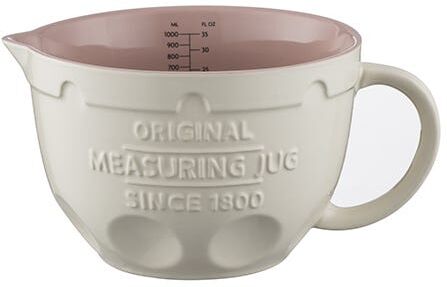
Mason Cash Innovative Kitchen 1L Measuring JugThe Mason Cash Innovative kitchen 1 litre measuring jug is a must have in the kitchen for baking large batches of ingredients. The stoneware bowl has a large handle providing a good grip when mixing the contents. The bowl features indentations on the exterior, which provides extra support when the bowl is tilted at an angle. The inside of the measuring bowl shows measurements in both millilitres and fluid ounces. Suitable for use in the microwave and dishwasher safe for easy and convenient cleaning, the measuring bowl is part of a matching collection.17,85 £*Shipping: 3,50 £Secure redirect to the provider
-
What are ethical individuals?
Ethical individuals are those who consistently make decisions and take actions that align with moral principles and values. They prioritize honesty, integrity, fairness, and compassion in their interactions with others. Ethical individuals also consider the impact of their choices on others and strive to do what is right, even when it may be challenging or unpopular. Overall, ethical individuals demonstrate a strong sense of personal responsibility and a commitment to upholding ethical standards in all aspects of their lives. **
-
What is ethical conditioning?
Ethical conditioning refers to the process of instilling moral values, principles, and beliefs in individuals through socialization, education, and cultural influences. It involves shaping an individual's understanding of right and wrong, and guiding their behavior towards ethical decision-making. Ethical conditioning can be influenced by various factors such as family, religion, education, and societal norms, and plays a crucial role in shaping an individual's moral compass and ethical behavior. It is essential for promoting a just and harmonious society, and for fostering a sense of responsibility and accountability in individuals. **
-
What are ethical considerations?
Ethical considerations refer to the moral principles and values that guide decision-making and behavior in a particular context. In research, ethical considerations involve ensuring the well-being and rights of participants, obtaining informed consent, and maintaining confidentiality. In business, ethical considerations may involve treating employees and customers fairly, being transparent in business practices, and considering the impact of business decisions on society and the environment. Overall, ethical considerations involve making decisions and taking actions that are morally right and just. **
-
What is ethical universalism?
Ethical universalism is the belief that there are fundamental ethical principles that apply universally to all people, regardless of their culture, religion, or background. This perspective holds that certain moral values, such as honesty, fairness, and respect for others, are inherent and should be upheld by all individuals and societies. Ethical universalism emphasizes the importance of recognizing and respecting the common humanity and dignity of all people, and it promotes the idea that ethical standards should be consistent across different cultures and contexts. **
* All prices are inclusive of VAT and, if applicable, plus shipping costs. The offer information is based on the details provided by the respective shop and is updated through automated processes. Real-time updates do not occur, so deviations can occur in individual cases. ** Note: Parts of this content were created by AI.