Buy inie.eu ?
We are moving the project
inie.eu .
Are you interested in purchasing the domain
inie.eu ?
domain@kv-gmbh.de · 0541-91531010
Buy inie.eu ?
How does genetic modification of genetic information work?
Genetic modification involves altering the genetic information of an organism by introducing new DNA into its genome. This can be achieved through various techniques such as gene editing using tools like CRISPR, or by introducing foreign DNA into the organism through a process called transgenesis. The new DNA can be designed to add, delete, or modify specific genes, which can result in changes to the organism's traits or characteristics. Genetic modification has the potential to create organisms with improved traits, such as increased resistance to diseases or improved nutritional content. **
What is the difference between genetic and genetic engineering?
Genetics refers to the study of genes, heredity, and variation in living organisms. It involves understanding how traits are passed down from one generation to the next. On the other hand, genetic engineering is the deliberate modification of an organism's genetic material using biotechnology. This can involve altering specific genes to achieve desired traits or characteristics. In essence, genetics is the study of natural genetic processes, while genetic engineering involves the intentional manipulation of genetic material for specific purposes. **


Similar search terms for Genetic
Top-Angebote
Products related to Genetic:
-
Mason Cash Innovative Kitchen Mixing BowlThis Mason Cash mixing bowl has a capacity of 4 litres and features tilt support in the design and shape of the bowl. As the bowl is tilted, the indents in the outer surface of the bowl provided angled support when mixing and beating the contents of the bowl. The bowl is made from stoneware and is finished with a durable and hard wearing glaze. The Mason Cash mixing bowl is suitable for warming food in the microwave and is dishwasher safe for easy and convenient cleaning.24,50 £*Shipping: 3,50 £Secure redirect to the provider
-
Mason Cash Innovative Kitchen Lasagne DishThe Mason Cash Innovative Kitchen Lasagne Dish is made from stoneware which provides gradual and even heat distribution. A vented base also ensures optimal heat distribution whilst right angled corners and precision sizing accommodate most lasagne sheets without the need to break them down. Steep sides allow for higher layering and help distribute heat evenly. Mason Cash ovenware classics have been given the Innovative Kitchen treatment in this range. Carefully selected materials with innovative features that improve their performance for tastier results. The Mason Cash Innovative Kitchen Lasagne Dish measures H 7.3cm x W 31.5cm x D 20.5cm with a capacity of 2.5 litres.16,10 £*Shipping: 3,50 £Secure redirect to the provider




-
What genetic orientation?
Genetic orientation refers to the specific genetic makeup or characteristics of an individual, which can influence various traits and predispositions. This orientation is determined by the combination of genes inherited from one's parents and can impact things like physical appearance, health conditions, and even personality traits. Understanding one's genetic orientation can provide insights into potential health risks and help in making informed decisions about lifestyle choices and medical care. **
-
How does the genetic modification of the genetic information work?
Genetic modification involves altering the genetic information of an organism by introducing specific changes to its DNA. This can be done by inserting new genes, removing existing genes, or modifying the expression of certain genes. Techniques such as CRISPR-Cas9 allow for precise editing of DNA sequences, enabling scientists to target specific genes and make desired modifications. Once the genetic information has been modified, the organism's cells will start producing proteins based on the new instructions encoded in its DNA. **
-
What is the difference between genetic research and genetic engineering?
Genetic research involves studying genes and their functions to understand how they contribute to traits and diseases. It focuses on identifying genetic variations and their impact on individuals. On the other hand, genetic engineering involves manipulating genes to create new traits or modify existing ones. It is a technology that allows scientists to directly alter the genetic makeup of an organism. In essence, genetic research is about studying genes, while genetic engineering is about actively changing them. **
-
What are the advantages and disadvantages of genetic engineering in food technology?
Genetic engineering in food technology has the advantage of increasing crop yields, improving nutritional content, and making crops more resistant to pests and diseases. This can help address food security issues and reduce the need for harmful pesticides. However, there are concerns about the potential environmental impact, the creation of genetically modified organisms (GMOs), and the long-term health effects of consuming genetically modified foods. Additionally, there are ethical considerations surrounding the manipulation of genes in food production. **

What is genetic inheritance?
Genetic inheritance refers to the passing of traits and characteristics from parents to offspring through the transmission of genes. Genes are segments of DNA that contain instructions for specific traits, such as eye color or height. Offspring inherit a combination of genes from both parents, which determines their physical and biological characteristics. Genetic inheritance plays a crucial role in shaping an individual's traits and susceptibility to certain diseases. **
What is genetic drift?
Genetic drift is a random process that can cause changes in the gene pool of a population. It occurs when certain individuals in a population reproduce more than others, leading to the random increase or decrease in frequency of certain alleles. Genetic drift is more likely to have a significant impact on small populations, where chance events can have a greater effect on allele frequencies. Over time, genetic drift can result in the loss of genetic diversity within a population. **
Top-Angebote
Products related to Genetic:
-
StayWell Innovative Anti Fungal Laser Pen With Cutting Edge Fungal Infections Removal And Safe for Skin Technology Innovative Anti Fungal Laser Pen With Cutting Edge Fungal Infections Removal And Safe for Skin TechnologyDo you avoid going barefoot or wearing sandals because of your unsightly nails If so, our AntiFungal Laser Pen is the solution you've been looking for. Our laser pen combines the power of the infrared pulsed laser and blue light to exterminate...20,97 $*Shipping: 0,00 $Secure redirect to the provider
-
SAFAVIEH Handmade Metro Inie Wool RugThe Metro Collection pairs vivid, striking color with modern floral patterns inspired by classic designs. Beautifully hand-tufted of wool, these area rugs add soft luxury and bold elegance to the living room, bedroom, dining room, or home office.132,99 $*Shipping: 0,00 $Secure redirect to the provider
-
Mason Cash Innovative Kitchen Mixing BowlThis Mason Cash mixing bowl has a capacity of 4 litres and features tilt support in the design and shape of the bowl. As the bowl is tilted, the indents in the outer surface of the bowl provided angled support when mixing and beating the contents of the bowl. The bowl is made from stoneware and is finished with a durable and hard wearing glaze. The Mason Cash mixing bowl is suitable for warming food in the microwave and is dishwasher safe for easy and convenient cleaning.24,50 £*Shipping: 3,50 £Secure redirect to the provider
-
How does genetic modification of genetic information work?
Genetic modification involves altering the genetic information of an organism by introducing new DNA into its genome. This can be achieved through various techniques such as gene editing using tools like CRISPR, or by introducing foreign DNA into the organism through a process called transgenesis. The new DNA can be designed to add, delete, or modify specific genes, which can result in changes to the organism's traits or characteristics. Genetic modification has the potential to create organisms with improved traits, such as increased resistance to diseases or improved nutritional content. **
-
What is the difference between genetic and genetic engineering?
Genetics refers to the study of genes, heredity, and variation in living organisms. It involves understanding how traits are passed down from one generation to the next. On the other hand, genetic engineering is the deliberate modification of an organism's genetic material using biotechnology. This can involve altering specific genes to achieve desired traits or characteristics. In essence, genetics is the study of natural genetic processes, while genetic engineering involves the intentional manipulation of genetic material for specific purposes. **
-
What genetic orientation?
Genetic orientation refers to the specific genetic makeup or characteristics of an individual, which can influence various traits and predispositions. This orientation is determined by the combination of genes inherited from one's parents and can impact things like physical appearance, health conditions, and even personality traits. Understanding one's genetic orientation can provide insights into potential health risks and help in making informed decisions about lifestyle choices and medical care. **
-
How does the genetic modification of the genetic information work?
Genetic modification involves altering the genetic information of an organism by introducing specific changes to its DNA. This can be done by inserting new genes, removing existing genes, or modifying the expression of certain genes. Techniques such as CRISPR-Cas9 allow for precise editing of DNA sequences, enabling scientists to target specific genes and make desired modifications. Once the genetic information has been modified, the organism's cells will start producing proteins based on the new instructions encoded in its DNA. **
Similar search terms for Genetic
-
Mason Cash Innovative Kitchen Lasagne DishThe Mason Cash Innovative Kitchen Lasagne Dish is made from stoneware which provides gradual and even heat distribution. A vented base also ensures optimal heat distribution whilst right angled corners and precision sizing accommodate most lasagne sheets without the need to break them down. Steep sides allow for higher layering and help distribute heat evenly. Mason Cash ovenware classics have been given the Innovative Kitchen treatment in this range. Carefully selected materials with innovative features that improve their performance for tastier results. The Mason Cash Innovative Kitchen Lasagne Dish measures H 7.3cm x W 31.5cm x D 20.5cm with a capacity of 2.5 litres.16,10 £*Shipping: 3,50 £Secure redirect to the provider
-
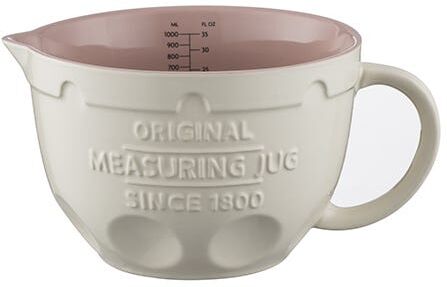
Mason Cash Innovative Kitchen 1L Measuring JugThe Mason Cash Innovative kitchen 1 litre measuring jug is a must have in the kitchen for baking large batches of ingredients. The stoneware bowl has a large handle providing a good grip when mixing the contents. The bowl features indentations on the exterior, which provides extra support when the bowl is tilted at an angle. The inside of the measuring bowl shows measurements in both millilitres and fluid ounces. Suitable for use in the microwave and dishwasher safe for easy and convenient cleaning, the measuring bowl is part of a matching collection.17,85 £*Shipping: 3,50 £Secure redirect to the provider
-
Mason Cash Innovative Kitchen 29cm Pie DishThe Mason Cash Innovative Kitchen Pie Dish is made from stoneware which provides gradual and even heat distribution. A vented base also ensures optimal heat distribution as do the steep sides of the dish. An embossed interior provides easy pastry release whilst the pastry anchor prevents pastry slumping. Mason Cash ovenware classics have been given the Innovative Kitchen treatment in this range. Carefully selected materials with innovative features that improve their performance for tastier results. The Mason Cash Innovative Kitchen Pie Dish measures H 5.5cm x W 28cm x D 28cm with a capacity of 2 litres.15,05 £*Shipping: 3,50 £Secure redirect to the provider
-
What is the difference between genetic research and genetic engineering?
Genetic research involves studying genes and their functions to understand how they contribute to traits and diseases. It focuses on identifying genetic variations and their impact on individuals. On the other hand, genetic engineering involves manipulating genes to create new traits or modify existing ones. It is a technology that allows scientists to directly alter the genetic makeup of an organism. In essence, genetic research is about studying genes, while genetic engineering is about actively changing them. **
-
What are the advantages and disadvantages of genetic engineering in food technology?
Genetic engineering in food technology has the advantage of increasing crop yields, improving nutritional content, and making crops more resistant to pests and diseases. This can help address food security issues and reduce the need for harmful pesticides. However, there are concerns about the potential environmental impact, the creation of genetically modified organisms (GMOs), and the long-term health effects of consuming genetically modified foods. Additionally, there are ethical considerations surrounding the manipulation of genes in food production. **
-
What is genetic inheritance?
Genetic inheritance refers to the passing of traits and characteristics from parents to offspring through the transmission of genes. Genes are segments of DNA that contain instructions for specific traits, such as eye color or height. Offspring inherit a combination of genes from both parents, which determines their physical and biological characteristics. Genetic inheritance plays a crucial role in shaping an individual's traits and susceptibility to certain diseases. **
-
What is genetic drift?
Genetic drift is a random process that can cause changes in the gene pool of a population. It occurs when certain individuals in a population reproduce more than others, leading to the random increase or decrease in frequency of certain alleles. Genetic drift is more likely to have a significant impact on small populations, where chance events can have a greater effect on allele frequencies. Over time, genetic drift can result in the loss of genetic diversity within a population. **
* All prices are inclusive of VAT and, if applicable, plus shipping costs. The offer information is based on the details provided by the respective shop and is updated through automated processes. Real-time updates do not occur, so deviations can occur in individual cases. ** Note: Parts of this content were created by AI.