Buy inie.eu ?
We are moving the project
inie.eu .
Are you interested in purchasing the domain
inie.eu ?
domain@kv-gmbh.de · 0541-91531010
Buy inie.eu ?
What is industrialization?
Industrialization is the process of transforming an economy from primarily agricultural and manual labor-based to one based on manufacturing and industry. This typically involves the introduction of new technologies, machinery, and infrastructure to increase production and efficiency. Industrialization often leads to urbanization as people move from rural areas to cities in search of employment in factories and other industrial facilities. This process has historically been associated with significant economic and social changes, including the rise of a middle class and increased standard of living for many people. **
How did industrialization take place?
Industrialization took place through a combination of technological advancements, changes in economic systems, and shifts in social and cultural practices. The development of new machines and technologies, such as the steam engine and mechanized looms, allowed for increased production and efficiency in manufacturing. This led to the growth of factories and the mass production of goods. Additionally, changes in economic systems, such as the rise of capitalism and the expansion of markets, provided the necessary conditions for industrialization to take hold. Finally, social and cultural shifts, including urbanization and changes in labor practices, also played a role in the process of industrialization. **


Similar search terms for Industrialization
Top-Angebote
Products related to Industrialization:
-
Mason Cash Innovative Kitchen Mixing BowlThis Mason Cash mixing bowl has a capacity of 4 litres and features tilt support in the design and shape of the bowl. As the bowl is tilted, the indents in the outer surface of the bowl provided angled support when mixing and beating the contents of the bowl. The bowl is made from stoneware and is finished with a durable and hard wearing glaze. The Mason Cash mixing bowl is suitable for warming food in the microwave and is dishwasher safe for easy and convenient cleaning.24,50 £*Shipping: 3,50 £Secure redirect to the provider
-
Mason Cash Innovative Kitchen Lasagne DishThe Mason Cash Innovative Kitchen Lasagne Dish is made from stoneware which provides gradual and even heat distribution. A vented base also ensures optimal heat distribution whilst right angled corners and precision sizing accommodate most lasagne sheets without the need to break them down. Steep sides allow for higher layering and help distribute heat evenly. Mason Cash ovenware classics have been given the Innovative Kitchen treatment in this range. Carefully selected materials with innovative features that improve their performance for tastier results. The Mason Cash Innovative Kitchen Lasagne Dish measures H 7.3cm x W 31.5cm x D 20.5cm with a capacity of 2.5 litres.16,10 £*Shipping: 3,50 £Secure redirect to the provider




-
Is industrialization still present today?
Yes, industrialization is still very much present today. Many countries around the world continue to undergo industrialization, with the development of new technologies and the expansion of manufacturing and production processes. This has led to the growth of industrial sectors in various economies, contributing to economic development and the creation of jobs. However, there is also a growing emphasis on sustainable and environmentally friendly industrial practices to mitigate the negative impact of industrialization on the environment. **
-
How did socialism impact industrialization?
Socialism had a significant impact on industrialization by promoting state ownership and control of industries. This led to the nationalization of key industries, such as mining, manufacturing, and transportation, as well as the implementation of central economic planning. Socialist policies also focused on improving working conditions, increasing wages, and providing social welfare programs for workers, which contributed to the growth of the industrial workforce. However, the emphasis on state control and central planning also led to inefficiencies and lack of innovation in some socialist economies. **
-
Is there a second industrialization?
Yes, there is a second industrialization, also known as the Fourth Industrial Revolution. This new wave of industrialization is characterized by the integration of digital technologies, artificial intelligence, and automation into the manufacturing and production processes. It is transforming the way goods are produced and services are delivered, leading to increased efficiency, productivity, and innovation. The second industrialization is also impacting various industries such as healthcare, transportation, and energy, and is expected to have a significant impact on the global economy. **
-
How does industrialization influence nutrition?
Industrialization has greatly influenced nutrition by changing the way food is produced, processed, and distributed. It has led to the mass production of processed and convenience foods, which are often high in unhealthy fats, sugars, and additives. This has contributed to the rise of diet-related diseases such as obesity and diabetes. Additionally, industrialization has also led to the depletion of nutrients in the soil, affecting the nutritional quality of the food we consume. Overall, industrialization has had a significant impact on the availability and quality of food, leading to both positive and negative effects on nutrition. **

What were the advantages of industrialization?
Industrialization brought about numerous advantages, including increased production efficiency, leading to higher output levels and lower costs. It also created job opportunities for a growing population, helping to reduce unemployment rates. Additionally, industrialization spurred technological advancements and innovation, driving economic growth and improving living standards for many people. **
What changes did industrialization bring about?
Industrialization brought about significant changes in society, economy, and technology. It led to the growth of urban areas as people moved from rural areas to cities in search of work in factories. This shift from agriculture to industry also transformed the economy, leading to the rise of capitalism and the creation of a new social class of industrial workers. Additionally, industrialization revolutionized technology, leading to advancements in machinery, transportation, and communication that greatly increased productivity and efficiency. **
Top-Angebote
Products related to Industrialization:
-
StayWell Innovative Anti Fungal Laser Pen With Cutting Edge Fungal Infections Removal And Safe for Skin Technology Innovative Anti Fungal Laser Pen With Cutting Edge Fungal Infections Removal And Safe for Skin TechnologyDo you avoid going barefoot or wearing sandals because of your unsightly nails If so, our AntiFungal Laser Pen is the solution you've been looking for. Our laser pen combines the power of the infrared pulsed laser and blue light to exterminate...20,97 $*Shipping: 0,00 $Secure redirect to the provider
-
SAFAVIEH Handmade Metro Inie Wool RugThe Metro Collection pairs vivid, striking color with modern floral patterns inspired by classic designs. Beautifully hand-tufted of wool, these area rugs add soft luxury and bold elegance to the living room, bedroom, dining room, or home office.132,99 $*Shipping: 0,00 $Secure redirect to the provider
-
What is industrialization?
Industrialization is the process of transforming an economy from primarily agricultural and manual labor-based to one based on manufacturing and industry. This typically involves the introduction of new technologies, machinery, and infrastructure to increase production and efficiency. Industrialization often leads to urbanization as people move from rural areas to cities in search of employment in factories and other industrial facilities. This process has historically been associated with significant economic and social changes, including the rise of a middle class and increased standard of living for many people. **
-
How did industrialization take place?
Industrialization took place through a combination of technological advancements, changes in economic systems, and shifts in social and cultural practices. The development of new machines and technologies, such as the steam engine and mechanized looms, allowed for increased production and efficiency in manufacturing. This led to the growth of factories and the mass production of goods. Additionally, changes in economic systems, such as the rise of capitalism and the expansion of markets, provided the necessary conditions for industrialization to take hold. Finally, social and cultural shifts, including urbanization and changes in labor practices, also played a role in the process of industrialization. **
-
Is industrialization still present today?
Yes, industrialization is still very much present today. Many countries around the world continue to undergo industrialization, with the development of new technologies and the expansion of manufacturing and production processes. This has led to the growth of industrial sectors in various economies, contributing to economic development and the creation of jobs. However, there is also a growing emphasis on sustainable and environmentally friendly industrial practices to mitigate the negative impact of industrialization on the environment. **
-
How did socialism impact industrialization?
Socialism had a significant impact on industrialization by promoting state ownership and control of industries. This led to the nationalization of key industries, such as mining, manufacturing, and transportation, as well as the implementation of central economic planning. Socialist policies also focused on improving working conditions, increasing wages, and providing social welfare programs for workers, which contributed to the growth of the industrial workforce. However, the emphasis on state control and central planning also led to inefficiencies and lack of innovation in some socialist economies. **
Similar search terms for Industrialization
-
Mason Cash Innovative Kitchen Mixing BowlThis Mason Cash mixing bowl has a capacity of 4 litres and features tilt support in the design and shape of the bowl. As the bowl is tilted, the indents in the outer surface of the bowl provided angled support when mixing and beating the contents of the bowl. The bowl is made from stoneware and is finished with a durable and hard wearing glaze. The Mason Cash mixing bowl is suitable for warming food in the microwave and is dishwasher safe for easy and convenient cleaning.24,50 £*Shipping: 3,50 £Secure redirect to the provider
-
Mason Cash Innovative Kitchen Lasagne DishThe Mason Cash Innovative Kitchen Lasagne Dish is made from stoneware which provides gradual and even heat distribution. A vented base also ensures optimal heat distribution whilst right angled corners and precision sizing accommodate most lasagne sheets without the need to break them down. Steep sides allow for higher layering and help distribute heat evenly. Mason Cash ovenware classics have been given the Innovative Kitchen treatment in this range. Carefully selected materials with innovative features that improve their performance for tastier results. The Mason Cash Innovative Kitchen Lasagne Dish measures H 7.3cm x W 31.5cm x D 20.5cm with a capacity of 2.5 litres.16,10 £*Shipping: 3,50 £Secure redirect to the provider
-
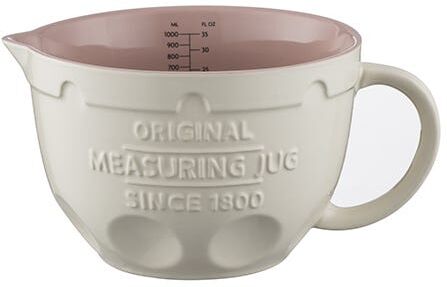
Mason Cash Innovative Kitchen 1L Measuring JugThe Mason Cash Innovative kitchen 1 litre measuring jug is a must have in the kitchen for baking large batches of ingredients. The stoneware bowl has a large handle providing a good grip when mixing the contents. The bowl features indentations on the exterior, which provides extra support when the bowl is tilted at an angle. The inside of the measuring bowl shows measurements in both millilitres and fluid ounces. Suitable for use in the microwave and dishwasher safe for easy and convenient cleaning, the measuring bowl is part of a matching collection.17,85 £*Shipping: 3,50 £Secure redirect to the provider
-
Is there a second industrialization?
Yes, there is a second industrialization, also known as the Fourth Industrial Revolution. This new wave of industrialization is characterized by the integration of digital technologies, artificial intelligence, and automation into the manufacturing and production processes. It is transforming the way goods are produced and services are delivered, leading to increased efficiency, productivity, and innovation. The second industrialization is also impacting various industries such as healthcare, transportation, and energy, and is expected to have a significant impact on the global economy. **
-
How does industrialization influence nutrition?
Industrialization has greatly influenced nutrition by changing the way food is produced, processed, and distributed. It has led to the mass production of processed and convenience foods, which are often high in unhealthy fats, sugars, and additives. This has contributed to the rise of diet-related diseases such as obesity and diabetes. Additionally, industrialization has also led to the depletion of nutrients in the soil, affecting the nutritional quality of the food we consume. Overall, industrialization has had a significant impact on the availability and quality of food, leading to both positive and negative effects on nutrition. **
-
What were the advantages of industrialization?
Industrialization brought about numerous advantages, including increased production efficiency, leading to higher output levels and lower costs. It also created job opportunities for a growing population, helping to reduce unemployment rates. Additionally, industrialization spurred technological advancements and innovation, driving economic growth and improving living standards for many people. **
-
What changes did industrialization bring about?
Industrialization brought about significant changes in society, economy, and technology. It led to the growth of urban areas as people moved from rural areas to cities in search of work in factories. This shift from agriculture to industry also transformed the economy, leading to the rise of capitalism and the creation of a new social class of industrial workers. Additionally, industrialization revolutionized technology, leading to advancements in machinery, transportation, and communication that greatly increased productivity and efficiency. **
* All prices are inclusive of VAT and, if applicable, plus shipping costs. The offer information is based on the details provided by the respective shop and is updated through automated processes. Real-time updates do not occur, so deviations can occur in individual cases. ** Note: Parts of this content were created by AI.