Buy inie.eu ?
We are moving the project
inie.eu .
Are you interested in purchasing the domain
inie.eu ?
domain@kv-gmbh.de · 0541-91531010
Buy inie.eu ?
Is pyruvate activated acetic acid?
Yes, pyruvate is converted into acetyl-CoA before entering the citric acid cycle. This conversion process involves the decarboxylation of pyruvate to form acetic acid, which is then activated by attaching coenzyme A to form acetyl-CoA. Acetyl-CoA is a key molecule in cellular respiration as it serves as a substrate for the citric acid cycle, where it is further oxidized to produce energy in the form of ATP. **
What happens during pyruvate oxidation?
During pyruvate oxidation, the pyruvate molecules produced during glycolysis are transported from the cytoplasm into the mitochondria. Once inside the mitochondria, the pyruvate molecules are converted into acetyl CoA through a series of enzymatic reactions. This process also results in the release of carbon dioxide and the production of NADH. Acetyl CoA then enters the citric acid cycle, where it is further oxidized to produce more NADH and FADH2, which are used in the electron transport chain to generate ATP. **


Similar search terms for Pyruvate
Top-Angebote
Products related to Pyruvate:
-
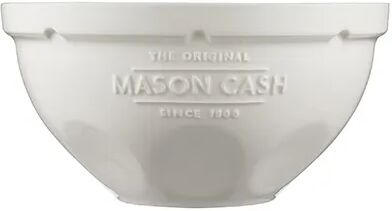
Mason Cash Innovative Kitchen Mixing BowlThis Mason Cash mixing bowl has a capacity of 4 litres and features tilt support in the design and shape of the bowl. As the bowl is tilted, the indents in the outer surface of the bowl provided angled support when mixing and beating the contents of the bowl. The bowl is made from stoneware and is finished with a durable and hard wearing glaze. The Mason Cash mixing bowl is suitable for warming food in the microwave and is dishwasher safe for easy and convenient cleaning.24,50 £*Shipping: 3,50 £Secure redirect to the provider
-
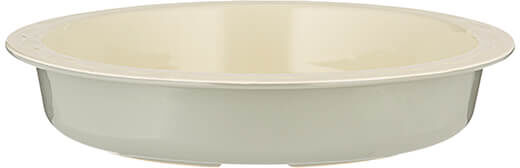
Mason Cash Innovative Kitchen Lasagne DishThe Mason Cash Innovative Kitchen Lasagne Dish is made from stoneware which provides gradual and even heat distribution. A vented base also ensures optimal heat distribution whilst right angled corners and precision sizing accommodate most lasagne sheets without the need to break them down. Steep sides allow for higher layering and help distribute heat evenly. Mason Cash ovenware classics have been given the Innovative Kitchen treatment in this range. Carefully selected materials with innovative features that improve their performance for tastier results. The Mason Cash Innovative Kitchen Lasagne Dish measures H 7.3cm x W 31.5cm x D 20.5cm with a capacity of 2.5 litres.16,10 £*Shipping: 3,50 £Secure redirect to the provider



-
How is pyruvate converted to lactate?
Pyruvate is converted to lactate through a process called anaerobic glycolysis. In this process, pyruvate accepts electrons from NADH, which is produced during glycolysis, and is reduced to lactate. This reaction helps to regenerate NAD+ so that glycolysis can continue in the absence of oxygen. This conversion of pyruvate to lactate is important for maintaining energy production in cells when oxygen is limited, such as during intense exercise. **
-
Why is pyruvate not an option?
Pyruvate is not an option for long-term energy storage because it is a highly reactive molecule that can easily be converted into other compounds or used in various metabolic pathways. It is also not stable enough to be stored in large quantities within the cell. Instead, pyruvate is typically either converted into acetyl-CoA to enter the citric acid cycle for further energy production, or it can be converted into lactate or ethanol in certain conditions. Therefore, pyruvate is not a suitable molecule for long-term energy storage within the cell. **
-
Why is pyruvate not the end product of fermentation?
Pyruvate is not the end product of fermentation because it needs to be further metabolized in order to regenerate NAD+ for glycolysis to continue. In fermentation, the goal is to produce energy in the absence of oxygen, and the final products of fermentation vary depending on the specific type of fermentation. For example, in lactic acid fermentation, pyruvate is converted to lactic acid, while in alcoholic fermentation, pyruvate is converted to ethanol and carbon dioxide. These end products allow the cell to continue producing ATP through glycolysis in the absence of oxygen. **
-
What is the purpose of the citric acid cycle and pyruvate oxidation?
The purpose of the citric acid cycle and pyruvate oxidation is to generate energy in the form of ATP. Pyruvate oxidation converts pyruvate, a product of glycolysis, into acetyl-CoA, which then enters the citric acid cycle. In the citric acid cycle, acetyl-CoA is further broken down to produce NADH and FADH2, which are then used in the electron transport chain to generate ATP. Additionally, the citric acid cycle also produces important precursor molecules for biosynthesis, such as amino acids and nucleotides. **

Why are pyruvate and acetyl-CoA referred to as key compounds of metabolism?
Pyruvate and acetyl-CoA are referred to as key compounds of metabolism because they play crucial roles in the process of cellular respiration, which is the primary way that cells generate energy. Pyruvate is the end product of glycolysis, the initial stage of cellular respiration, and can be further converted into acetyl-CoA, which enters the citric acid cycle to produce energy-rich molecules. Acetyl-CoA is also a central molecule in the synthesis and breakdown of fatty acids. Therefore, these compounds are essential for the production of energy and the synthesis of important biomolecules in the cell. **
Can you explain the temperature influence on enzyme activity using the example of pyruvate kinase?
Temperature can greatly influence enzyme activity, including that of pyruvate kinase. Pyruvate kinase is an enzyme involved in glycolysis, the process that converts glucose into energy. As temperature increases, so does the rate of enzyme activity, up to a certain point called the optimal temperature. Beyond this optimal temperature, the enzyme's structure can become denatured, leading to a decrease in activity. Therefore, maintaining an optimal temperature is crucial for maximizing pyruvate kinase activity and overall metabolic efficiency. **
Top-Angebote
Products related to Pyruvate:
-
StayWell Innovative Anti Fungal Laser Pen With Cutting Edge Fungal Infections Removal And Safe for Skin Technology Innovative Anti Fungal Laser Pen With Cutting Edge Fungal Infections Removal And Safe for Skin TechnologyDo you avoid going barefoot or wearing sandals because of your unsightly nails If so, our AntiFungal Laser Pen is the solution you've been looking for. Our laser pen combines the power of the infrared pulsed laser and blue light to exterminate...20,97 $*Shipping: 0,00 $Secure redirect to the provider
-
SAFAVIEH Handmade Metro Inie Wool RugThe Metro Collection pairs vivid, striking color with modern floral patterns inspired by classic designs. Beautifully hand-tufted of wool, these area rugs add soft luxury and bold elegance to the living room, bedroom, dining room, or home office.132,99 $*Shipping: 0,00 $Secure redirect to the provider
-
Mason Cash Innovative Kitchen Mixing BowlThis Mason Cash mixing bowl has a capacity of 4 litres and features tilt support in the design and shape of the bowl. As the bowl is tilted, the indents in the outer surface of the bowl provided angled support when mixing and beating the contents of the bowl. The bowl is made from stoneware and is finished with a durable and hard wearing glaze. The Mason Cash mixing bowl is suitable for warming food in the microwave and is dishwasher safe for easy and convenient cleaning.24,50 £*Shipping: 3,50 £Secure redirect to the provider
-
Is pyruvate activated acetic acid?
Yes, pyruvate is converted into acetyl-CoA before entering the citric acid cycle. This conversion process involves the decarboxylation of pyruvate to form acetic acid, which is then activated by attaching coenzyme A to form acetyl-CoA. Acetyl-CoA is a key molecule in cellular respiration as it serves as a substrate for the citric acid cycle, where it is further oxidized to produce energy in the form of ATP. **
-
What happens during pyruvate oxidation?
During pyruvate oxidation, the pyruvate molecules produced during glycolysis are transported from the cytoplasm into the mitochondria. Once inside the mitochondria, the pyruvate molecules are converted into acetyl CoA through a series of enzymatic reactions. This process also results in the release of carbon dioxide and the production of NADH. Acetyl CoA then enters the citric acid cycle, where it is further oxidized to produce more NADH and FADH2, which are used in the electron transport chain to generate ATP. **
-
How is pyruvate converted to lactate?
Pyruvate is converted to lactate through a process called anaerobic glycolysis. In this process, pyruvate accepts electrons from NADH, which is produced during glycolysis, and is reduced to lactate. This reaction helps to regenerate NAD+ so that glycolysis can continue in the absence of oxygen. This conversion of pyruvate to lactate is important for maintaining energy production in cells when oxygen is limited, such as during intense exercise. **
-
Why is pyruvate not an option?
Pyruvate is not an option for long-term energy storage because it is a highly reactive molecule that can easily be converted into other compounds or used in various metabolic pathways. It is also not stable enough to be stored in large quantities within the cell. Instead, pyruvate is typically either converted into acetyl-CoA to enter the citric acid cycle for further energy production, or it can be converted into lactate or ethanol in certain conditions. Therefore, pyruvate is not a suitable molecule for long-term energy storage within the cell. **
Similar search terms for Pyruvate
-
Mason Cash Innovative Kitchen Lasagne DishThe Mason Cash Innovative Kitchen Lasagne Dish is made from stoneware which provides gradual and even heat distribution. A vented base also ensures optimal heat distribution whilst right angled corners and precision sizing accommodate most lasagne sheets without the need to break them down. Steep sides allow for higher layering and help distribute heat evenly. Mason Cash ovenware classics have been given the Innovative Kitchen treatment in this range. Carefully selected materials with innovative features that improve their performance for tastier results. The Mason Cash Innovative Kitchen Lasagne Dish measures H 7.3cm x W 31.5cm x D 20.5cm with a capacity of 2.5 litres.16,10 £*Shipping: 3,50 £Secure redirect to the provider
-
Mason Cash Innovative Kitchen 1L Measuring JugThe Mason Cash Innovative kitchen 1 litre measuring jug is a must have in the kitchen for baking large batches of ingredients. The stoneware bowl has a large handle providing a good grip when mixing the contents. The bowl features indentations on the exterior, which provides extra support when the bowl is tilted at an angle. The inside of the measuring bowl shows measurements in both millilitres and fluid ounces. Suitable for use in the microwave and dishwasher safe for easy and convenient cleaning, the measuring bowl is part of a matching collection.17,85 £*Shipping: 3,50 £Secure redirect to the provider
-
Mason Cash Innovative Kitchen 29cm Pie DishThe Mason Cash Innovative Kitchen Pie Dish is made from stoneware which provides gradual and even heat distribution. A vented base also ensures optimal heat distribution as do the steep sides of the dish. An embossed interior provides easy pastry release whilst the pastry anchor prevents pastry slumping. Mason Cash ovenware classics have been given the Innovative Kitchen treatment in this range. Carefully selected materials with innovative features that improve their performance for tastier results. The Mason Cash Innovative Kitchen Pie Dish measures H 5.5cm x W 28cm x D 28cm with a capacity of 2 litres.15,05 £*Shipping: 3,50 £Secure redirect to the provider
-
Why is pyruvate not the end product of fermentation?
Pyruvate is not the end product of fermentation because it needs to be further metabolized in order to regenerate NAD+ for glycolysis to continue. In fermentation, the goal is to produce energy in the absence of oxygen, and the final products of fermentation vary depending on the specific type of fermentation. For example, in lactic acid fermentation, pyruvate is converted to lactic acid, while in alcoholic fermentation, pyruvate is converted to ethanol and carbon dioxide. These end products allow the cell to continue producing ATP through glycolysis in the absence of oxygen. **
-
What is the purpose of the citric acid cycle and pyruvate oxidation?
The purpose of the citric acid cycle and pyruvate oxidation is to generate energy in the form of ATP. Pyruvate oxidation converts pyruvate, a product of glycolysis, into acetyl-CoA, which then enters the citric acid cycle. In the citric acid cycle, acetyl-CoA is further broken down to produce NADH and FADH2, which are then used in the electron transport chain to generate ATP. Additionally, the citric acid cycle also produces important precursor molecules for biosynthesis, such as amino acids and nucleotides. **
-
Why are pyruvate and acetyl-CoA referred to as key compounds of metabolism?
Pyruvate and acetyl-CoA are referred to as key compounds of metabolism because they play crucial roles in the process of cellular respiration, which is the primary way that cells generate energy. Pyruvate is the end product of glycolysis, the initial stage of cellular respiration, and can be further converted into acetyl-CoA, which enters the citric acid cycle to produce energy-rich molecules. Acetyl-CoA is also a central molecule in the synthesis and breakdown of fatty acids. Therefore, these compounds are essential for the production of energy and the synthesis of important biomolecules in the cell. **
-
Can you explain the temperature influence on enzyme activity using the example of pyruvate kinase?
Temperature can greatly influence enzyme activity, including that of pyruvate kinase. Pyruvate kinase is an enzyme involved in glycolysis, the process that converts glucose into energy. As temperature increases, so does the rate of enzyme activity, up to a certain point called the optimal temperature. Beyond this optimal temperature, the enzyme's structure can become denatured, leading to a decrease in activity. Therefore, maintaining an optimal temperature is crucial for maximizing pyruvate kinase activity and overall metabolic efficiency. **
* All prices are inclusive of VAT and, if applicable, plus shipping costs. The offer information is based on the details provided by the respective shop and is updated through automated processes. Real-time updates do not occur, so deviations can occur in individual cases. ** Note: Parts of this content were created by AI.