Buy inie.eu ?
We are moving the project
inie.eu .
Are you interested in purchasing the domain
inie.eu ?
domain@kv-gmbh.de · 0541-91531010
Buy inie.eu ?
Are diapers residual waste?
Diapers are considered residual waste because they are not easily recyclable or compostable. Once used, diapers are typically disposed of in landfills where they take a long time to decompose due to their synthetic materials. Proper disposal of diapers is important to minimize their impact on the environment and reduce the amount of waste sent to landfills. **
Is dishes residual waste?
No, dishes are not considered residual waste. Residual waste typically refers to non-recyclable and non-compostable waste that is left over after recycling and composting efforts have been made. Dishes, on the other hand, can often be reused, recycled, or composted depending on the material they are made of. It is important to properly dispose of dishes in the appropriate waste stream to minimize environmental impact. **


Similar search terms for Residual
Top-Angebote
Products related to Residual:
-
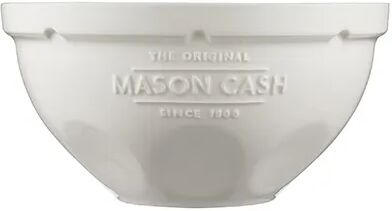
Mason Cash Innovative Kitchen Mixing BowlThis Mason Cash mixing bowl has a capacity of 4 litres and features tilt support in the design and shape of the bowl. As the bowl is tilted, the indents in the outer surface of the bowl provided angled support when mixing and beating the contents of the bowl. The bowl is made from stoneware and is finished with a durable and hard wearing glaze. The Mason Cash mixing bowl is suitable for warming food in the microwave and is dishwasher safe for easy and convenient cleaning.24,50 £*Shipping: 3,50 £Secure redirect to the provider
-
Mason Cash Innovative Kitchen Lasagne DishThe Mason Cash Innovative Kitchen Lasagne Dish is made from stoneware which provides gradual and even heat distribution. A vented base also ensures optimal heat distribution whilst right angled corners and precision sizing accommodate most lasagne sheets without the need to break them down. Steep sides allow for higher layering and help distribute heat evenly. Mason Cash ovenware classics have been given the Innovative Kitchen treatment in this range. Carefully selected materials with innovative features that improve their performance for tastier results. The Mason Cash Innovative Kitchen Lasagne Dish measures H 7.3cm x W 31.5cm x D 20.5cm with a capacity of 2.5 litres.16,10 £*Shipping: 3,50 £Secure redirect to the provider



-
What is residual waste?
Residual waste refers to the waste that remains after recycling and composting processes have been completed. This type of waste includes materials that cannot be recycled or composted, such as certain plastics, ceramics, and other non-biodegradable items. Residual waste is typically sent to landfills or incinerators for disposal. Efforts to reduce residual waste include promoting recycling and composting, as well as finding alternative methods for managing and disposing of non-recyclable and non-compostable materials. **
-
Which residual-current circuit breaker?
The residual-current circuit breaker, also known as an RCCB, is a device designed to quickly disconnect a circuit when it detects an imbalance in the flow of electricity. This imbalance could be caused by a fault in the circuit or by current leakage, which could pose a risk of electric shock or fire. RCCBs are an important safety feature in electrical systems, providing protection against electrical hazards and ensuring the safety of individuals and property. **
-
Is residual waste still sorted?
Yes, residual waste is still sorted even though it is considered non-recyclable or non-compostable. This sorting process helps to recover any remaining materials that can be recycled or used for energy recovery. By sorting residual waste, we can minimize the amount of waste sent to landfills and maximize resource recovery. Additionally, sorting residual waste helps to reduce environmental impact and promote a more sustainable waste management system. **
-
What happens to residual waste?
Residual waste, also known as non-recyclable or non-hazardous waste, is typically sent to a landfill or incinerator for disposal. In landfills, the waste is buried and compacted, where it will decompose over time. In incinerators, the waste is burned at high temperatures, reducing its volume and producing energy in the form of heat and electricity. Both methods have environmental impacts and contribute to the management of waste in different ways. Efforts to reduce residual waste through recycling, composting, and waste-to-energy technologies are ongoing to minimize the amount of waste sent to landfills and incinerators. **

What is a residual body?
A residual body is a structure found in certain types of cells, particularly in the process of apoptosis (programmed cell death). It is formed when a cell is undergoing apoptosis and its contents are being broken down and recycled. The residual body contains the remnants of the cell's organelles and other cellular components that have not been completely degraded. Eventually, the residual body is removed by other cells in the body, such as macrophages, through a process called phagocytosis. **
Organic waste or residual waste?
Organic waste refers to biodegradable waste such as food scraps, yard waste, and paper products, which can be composted or converted into energy through anaerobic digestion. Residual waste, on the other hand, refers to non-recyclable and non-compostable waste that is typically sent to landfills or incinerated. When it comes to managing waste, it is important to prioritize the reduction and proper disposal of organic waste through composting and recycling, as it can have a more positive environmental impact compared to residual waste. **
Top-Angebote
Products related to Residual:
-
StayWell Innovative Anti Fungal Laser Pen With Cutting Edge Fungal Infections Removal And Safe for Skin Technology Innovative Anti Fungal Laser Pen With Cutting Edge Fungal Infections Removal And Safe for Skin TechnologyDo you avoid going barefoot or wearing sandals because of your unsightly nails If so, our AntiFungal Laser Pen is the solution you've been looking for. Our laser pen combines the power of the infrared pulsed laser and blue light to exterminate...20,97 $*Shipping: 0,00 $Secure redirect to the provider
-
SAFAVIEH Handmade Metro Inie Wool RugThe Metro Collection pairs vivid, striking color with modern floral patterns inspired by classic designs. Beautifully hand-tufted of wool, these area rugs add soft luxury and bold elegance to the living room, bedroom, dining room, or home office.132,99 $*Shipping: 0,00 $Secure redirect to the provider
-
Are diapers residual waste?
Diapers are considered residual waste because they are not easily recyclable or compostable. Once used, diapers are typically disposed of in landfills where they take a long time to decompose due to their synthetic materials. Proper disposal of diapers is important to minimize their impact on the environment and reduce the amount of waste sent to landfills. **
-
Is dishes residual waste?
No, dishes are not considered residual waste. Residual waste typically refers to non-recyclable and non-compostable waste that is left over after recycling and composting efforts have been made. Dishes, on the other hand, can often be reused, recycled, or composted depending on the material they are made of. It is important to properly dispose of dishes in the appropriate waste stream to minimize environmental impact. **
-
What is residual waste?
Residual waste refers to the waste that remains after recycling and composting processes have been completed. This type of waste includes materials that cannot be recycled or composted, such as certain plastics, ceramics, and other non-biodegradable items. Residual waste is typically sent to landfills or incinerators for disposal. Efforts to reduce residual waste include promoting recycling and composting, as well as finding alternative methods for managing and disposing of non-recyclable and non-compostable materials. **
-
Which residual-current circuit breaker?
The residual-current circuit breaker, also known as an RCCB, is a device designed to quickly disconnect a circuit when it detects an imbalance in the flow of electricity. This imbalance could be caused by a fault in the circuit or by current leakage, which could pose a risk of electric shock or fire. RCCBs are an important safety feature in electrical systems, providing protection against electrical hazards and ensuring the safety of individuals and property. **
Similar search terms for Residual
-
Mason Cash Innovative Kitchen Mixing BowlThis Mason Cash mixing bowl has a capacity of 4 litres and features tilt support in the design and shape of the bowl. As the bowl is tilted, the indents in the outer surface of the bowl provided angled support when mixing and beating the contents of the bowl. The bowl is made from stoneware and is finished with a durable and hard wearing glaze. The Mason Cash mixing bowl is suitable for warming food in the microwave and is dishwasher safe for easy and convenient cleaning.24,50 £*Shipping: 3,50 £Secure redirect to the provider
-
Mason Cash Innovative Kitchen Lasagne DishThe Mason Cash Innovative Kitchen Lasagne Dish is made from stoneware which provides gradual and even heat distribution. A vented base also ensures optimal heat distribution whilst right angled corners and precision sizing accommodate most lasagne sheets without the need to break them down. Steep sides allow for higher layering and help distribute heat evenly. Mason Cash ovenware classics have been given the Innovative Kitchen treatment in this range. Carefully selected materials with innovative features that improve their performance for tastier results. The Mason Cash Innovative Kitchen Lasagne Dish measures H 7.3cm x W 31.5cm x D 20.5cm with a capacity of 2.5 litres.16,10 £*Shipping: 3,50 £Secure redirect to the provider
-
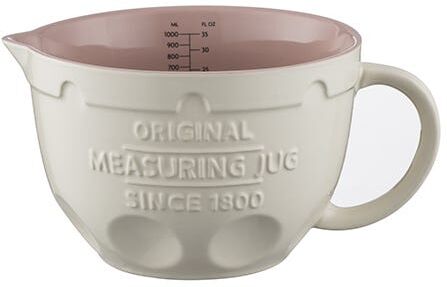
Mason Cash Innovative Kitchen 1L Measuring JugThe Mason Cash Innovative kitchen 1 litre measuring jug is a must have in the kitchen for baking large batches of ingredients. The stoneware bowl has a large handle providing a good grip when mixing the contents. The bowl features indentations on the exterior, which provides extra support when the bowl is tilted at an angle. The inside of the measuring bowl shows measurements in both millilitres and fluid ounces. Suitable for use in the microwave and dishwasher safe for easy and convenient cleaning, the measuring bowl is part of a matching collection.17,85 £*Shipping: 3,50 £Secure redirect to the provider
-
Is residual waste still sorted?
Yes, residual waste is still sorted even though it is considered non-recyclable or non-compostable. This sorting process helps to recover any remaining materials that can be recycled or used for energy recovery. By sorting residual waste, we can minimize the amount of waste sent to landfills and maximize resource recovery. Additionally, sorting residual waste helps to reduce environmental impact and promote a more sustainable waste management system. **
-
What happens to residual waste?
Residual waste, also known as non-recyclable or non-hazardous waste, is typically sent to a landfill or incinerator for disposal. In landfills, the waste is buried and compacted, where it will decompose over time. In incinerators, the waste is burned at high temperatures, reducing its volume and producing energy in the form of heat and electricity. Both methods have environmental impacts and contribute to the management of waste in different ways. Efforts to reduce residual waste through recycling, composting, and waste-to-energy technologies are ongoing to minimize the amount of waste sent to landfills and incinerators. **
-
What is a residual body?
A residual body is a structure found in certain types of cells, particularly in the process of apoptosis (programmed cell death). It is formed when a cell is undergoing apoptosis and its contents are being broken down and recycled. The residual body contains the remnants of the cell's organelles and other cellular components that have not been completely degraded. Eventually, the residual body is removed by other cells in the body, such as macrophages, through a process called phagocytosis. **
-
Organic waste or residual waste?
Organic waste refers to biodegradable waste such as food scraps, yard waste, and paper products, which can be composted or converted into energy through anaerobic digestion. Residual waste, on the other hand, refers to non-recyclable and non-compostable waste that is typically sent to landfills or incinerated. When it comes to managing waste, it is important to prioritize the reduction and proper disposal of organic waste through composting and recycling, as it can have a more positive environmental impact compared to residual waste. **
* All prices are inclusive of VAT and, if applicable, plus shipping costs. The offer information is based on the details provided by the respective shop and is updated through automated processes. Real-time updates do not occur, so deviations can occur in individual cases. ** Note: Parts of this content were created by AI.