Buy inie.eu ?
We are moving the project
inie.eu .
Are you interested in purchasing the domain
inie.eu ?
domain@kv-gmbh.de · 0541-91531010
Buy inie.eu ?
What does "thou" actually mean?
"Thou" is an archaic English pronoun used to address someone in the second person singular. It is the equivalent of the modern "you" when speaking to one person. In older forms of English, "thou" was used to indicate familiarity or intimacy, while "you" was used to show respect or formality. Today, "thou" is rarely used in everyday speech and is mostly found in historical texts or religious literature. **
Does the commandment "Thou shalt not kill" only apply to humans?
The commandment "Thou shalt not kill" is generally understood to apply to all forms of life, not just humans. It is a moral principle that emphasizes the sanctity of life and the importance of respecting and preserving it. This commandment is often interpreted to mean that one should not unjustly take the life of any living being, whether it be a human, animal, or any other form of life. **


Similar search terms for Thou
Top-Angebote
Products related to Thou:
-
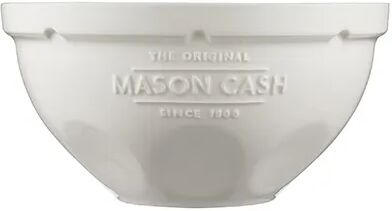
Mason Cash Innovative Kitchen Mixing BowlThis Mason Cash mixing bowl has a capacity of 4 litres and features tilt support in the design and shape of the bowl. As the bowl is tilted, the indents in the outer surface of the bowl provided angled support when mixing and beating the contents of the bowl. The bowl is made from stoneware and is finished with a durable and hard wearing glaze. The Mason Cash mixing bowl is suitable for warming food in the microwave and is dishwasher safe for easy and convenient cleaning.24,50 £*Shipping: 3,50 £Secure redirect to the provider



-
What is the simple past of "thou art" in Middle English?
The simple past of "thou art" in Middle English is "thou wert." In Middle English, "thou" was the singular informal form of "you," and "wert" was the past tense of the verb "to be." So, "thou wert" would be used to indicate that someone or something was in a certain state or condition in the past. **
-
What is the meaning of the commandment "Thou shalt not kill"?
The commandment "Thou shalt not kill" is a fundamental principle in many religious and ethical traditions, including Christianity and Judaism. It is a directive to respect and value human life, and to refrain from taking the life of another person unjustly. This commandment is often interpreted as prohibiting not only physical killing, but also actions that harm or diminish the dignity of others. It serves as a moral guideline for promoting peace, compassion, and the protection of human life. **
-
What do you think of the commandment "Thou shalt not commit adultery"?
As an AI language model, I don't have personal beliefs or opinions. However, the commandment "Thou shalt not commit adultery" is a moral and ethical guideline that is found in various religious and cultural traditions. It is meant to promote fidelity and respect within relationships and to protect the sanctity of marriage. Adhering to this commandment can help to maintain trust and stability within families and communities. However, interpretations and adherence to this commandment may vary depending on individual beliefs and cultural contexts. **
-
Why do Christians eat meat even though it says "Thou shalt not kill"?
Many Christians interpret the commandment "Thou shalt not kill" as a prohibition against murder rather than against all forms of killing, including the killing of animals for food. They believe that God has given humans dominion over animals and that it is acceptable to use them for sustenance. Additionally, some Christians point to passages in the Bible that discuss the consumption of meat, such as the story of the prodigal son and the teachings of the apostle Paul, as evidence that eating meat is permissible. Ultimately, the decision to eat meat is a personal and theological one for Christians, and interpretations of the commandment may vary among different denominations and individuals. **


Is there a commandment in the Bible that says "Thou shalt not kill"?
Yes, the commandment "Thou shalt not kill" is found in the Bible in the book of Exodus, specifically in Exodus 20:13. This commandment is one of the Ten Commandments given to Moses by God on Mount Sinai. It is a fundamental moral principle that prohibits the unjust taking of human life. This commandment has been interpreted and followed by various religious traditions and has had a significant impact on ethical and legal systems around the world. **
What are the social and ecological consequences of the commandment "Thou shalt not kill"?
The commandment "Thou shalt not kill" has significant social and ecological consequences. Socially, it promotes a culture of non-violence and respect for life, which can lead to more peaceful and harmonious societies. It also encourages empathy and compassion towards all living beings, fostering a sense of interconnectedness and responsibility towards others. Ecologically, this commandment can lead to a greater respect for the natural world and its inhabitants, contributing to the preservation of biodiversity and the protection of ecosystems. It can also influence ethical considerations in areas such as animal welfare and conservation efforts. **
Top-Angebote
Products related to Thou:
-
StayWell Innovative Anti Fungal Laser Pen With Cutting Edge Fungal Infections Removal And Safe for Skin Technology Innovative Anti Fungal Laser Pen With Cutting Edge Fungal Infections Removal And Safe for Skin TechnologyDo you avoid going barefoot or wearing sandals because of your unsightly nails If so, our AntiFungal Laser Pen is the solution you've been looking for. Our laser pen combines the power of the infrared pulsed laser and blue light to exterminate...20,97 $*Shipping: 0,00 $Secure redirect to the provider
-
SAFAVIEH Handmade Metro Inie Wool RugThe Metro Collection pairs vivid, striking color with modern floral patterns inspired by classic designs. Beautifully hand-tufted of wool, these area rugs add soft luxury and bold elegance to the living room, bedroom, dining room, or home office.139,64 $*Shipping: 0,00 $Secure redirect to the provider
-
What does "thou" actually mean?
"Thou" is an archaic English pronoun used to address someone in the second person singular. It is the equivalent of the modern "you" when speaking to one person. In older forms of English, "thou" was used to indicate familiarity or intimacy, while "you" was used to show respect or formality. Today, "thou" is rarely used in everyday speech and is mostly found in historical texts or religious literature. **
-
Does the commandment "Thou shalt not kill" only apply to humans?
The commandment "Thou shalt not kill" is generally understood to apply to all forms of life, not just humans. It is a moral principle that emphasizes the sanctity of life and the importance of respecting and preserving it. This commandment is often interpreted to mean that one should not unjustly take the life of any living being, whether it be a human, animal, or any other form of life. **
-
What is the simple past of "thou art" in Middle English?
The simple past of "thou art" in Middle English is "thou wert." In Middle English, "thou" was the singular informal form of "you," and "wert" was the past tense of the verb "to be." So, "thou wert" would be used to indicate that someone or something was in a certain state or condition in the past. **
-
What is the meaning of the commandment "Thou shalt not kill"?
The commandment "Thou shalt not kill" is a fundamental principle in many religious and ethical traditions, including Christianity and Judaism. It is a directive to respect and value human life, and to refrain from taking the life of another person unjustly. This commandment is often interpreted as prohibiting not only physical killing, but also actions that harm or diminish the dignity of others. It serves as a moral guideline for promoting peace, compassion, and the protection of human life. **
Similar search terms for Thou
-
Mason Cash Innovative Kitchen Mixing BowlThis Mason Cash mixing bowl has a capacity of 4 litres and features tilt support in the design and shape of the bowl. As the bowl is tilted, the indents in the outer surface of the bowl provided angled support when mixing and beating the contents of the bowl. The bowl is made from stoneware and is finished with a durable and hard wearing glaze. The Mason Cash mixing bowl is suitable for warming food in the microwave and is dishwasher safe for easy and convenient cleaning.24,50 £*Shipping: 3,50 £Secure redirect to the provider
-
Mason Cash Innovative Kitchen Lasagne DishThe Mason Cash Innovative Kitchen Lasagne Dish is made from stoneware which provides gradual and even heat distribution. A vented base also ensures optimal heat distribution whilst right angled corners and precision sizing accommodate most lasagne sheets without the need to break them down. Steep sides allow for higher layering and help distribute heat evenly. Mason Cash ovenware classics have been given the Innovative Kitchen treatment in this range. Carefully selected materials with innovative features that improve their performance for tastier results. The Mason Cash Innovative Kitchen Lasagne Dish measures H 7.3cm x W 31.5cm x D 20.5cm with a capacity of 2.5 litres.16,10 £*Shipping: 3,50 £Secure redirect to the provider
-
SAFAVIEH Handmade Metro Inie Wool RugThe Metro Collection pairs vivid, striking color with modern floral patterns inspired by classic designs. Beautifully hand-tufted of wool, these area rugs add soft luxury and bold elegance to the living room, bedroom, dining room, or home office.198,44 $*Shipping: 0,00 $Secure redirect to the provider
-
What do you think of the commandment "Thou shalt not commit adultery"?
As an AI language model, I don't have personal beliefs or opinions. However, the commandment "Thou shalt not commit adultery" is a moral and ethical guideline that is found in various religious and cultural traditions. It is meant to promote fidelity and respect within relationships and to protect the sanctity of marriage. Adhering to this commandment can help to maintain trust and stability within families and communities. However, interpretations and adherence to this commandment may vary depending on individual beliefs and cultural contexts. **
-
Why do Christians eat meat even though it says "Thou shalt not kill"?
Many Christians interpret the commandment "Thou shalt not kill" as a prohibition against murder rather than against all forms of killing, including the killing of animals for food. They believe that God has given humans dominion over animals and that it is acceptable to use them for sustenance. Additionally, some Christians point to passages in the Bible that discuss the consumption of meat, such as the story of the prodigal son and the teachings of the apostle Paul, as evidence that eating meat is permissible. Ultimately, the decision to eat meat is a personal and theological one for Christians, and interpretations of the commandment may vary among different denominations and individuals. **
-
Is there a commandment in the Bible that says "Thou shalt not kill"?
Yes, the commandment "Thou shalt not kill" is found in the Bible in the book of Exodus, specifically in Exodus 20:13. This commandment is one of the Ten Commandments given to Moses by God on Mount Sinai. It is a fundamental moral principle that prohibits the unjust taking of human life. This commandment has been interpreted and followed by various religious traditions and has had a significant impact on ethical and legal systems around the world. **
-
What are the social and ecological consequences of the commandment "Thou shalt not kill"?
The commandment "Thou shalt not kill" has significant social and ecological consequences. Socially, it promotes a culture of non-violence and respect for life, which can lead to more peaceful and harmonious societies. It also encourages empathy and compassion towards all living beings, fostering a sense of interconnectedness and responsibility towards others. Ecologically, this commandment can lead to a greater respect for the natural world and its inhabitants, contributing to the preservation of biodiversity and the protection of ecosystems. It can also influence ethical considerations in areas such as animal welfare and conservation efforts. **
* All prices are inclusive of VAT and, if applicable, plus shipping costs. The offer information is based on the details provided by the respective shop and is updated through automated processes. Real-time updates do not occur, so deviations can occur in individual cases. ** Note: Parts of this content were created by AI.